Meetings begin at 6:15 PM.
- For meetings held by Zoom, instructions for joining the meeting will be emailed to members on the day of the meeting.
- Non-members can request that information by emailing philbotclub@gmail.com by 10 PM the day before the meeting.
If you have an idea for a future program, please contact the Program Committee chair, Rebekah Armstrong, rebekah.armstrong@gmail.com. A list of previous meetings is available.
Following the Flowers: Tracking Appalachian Plant Phenology with iNaturalist
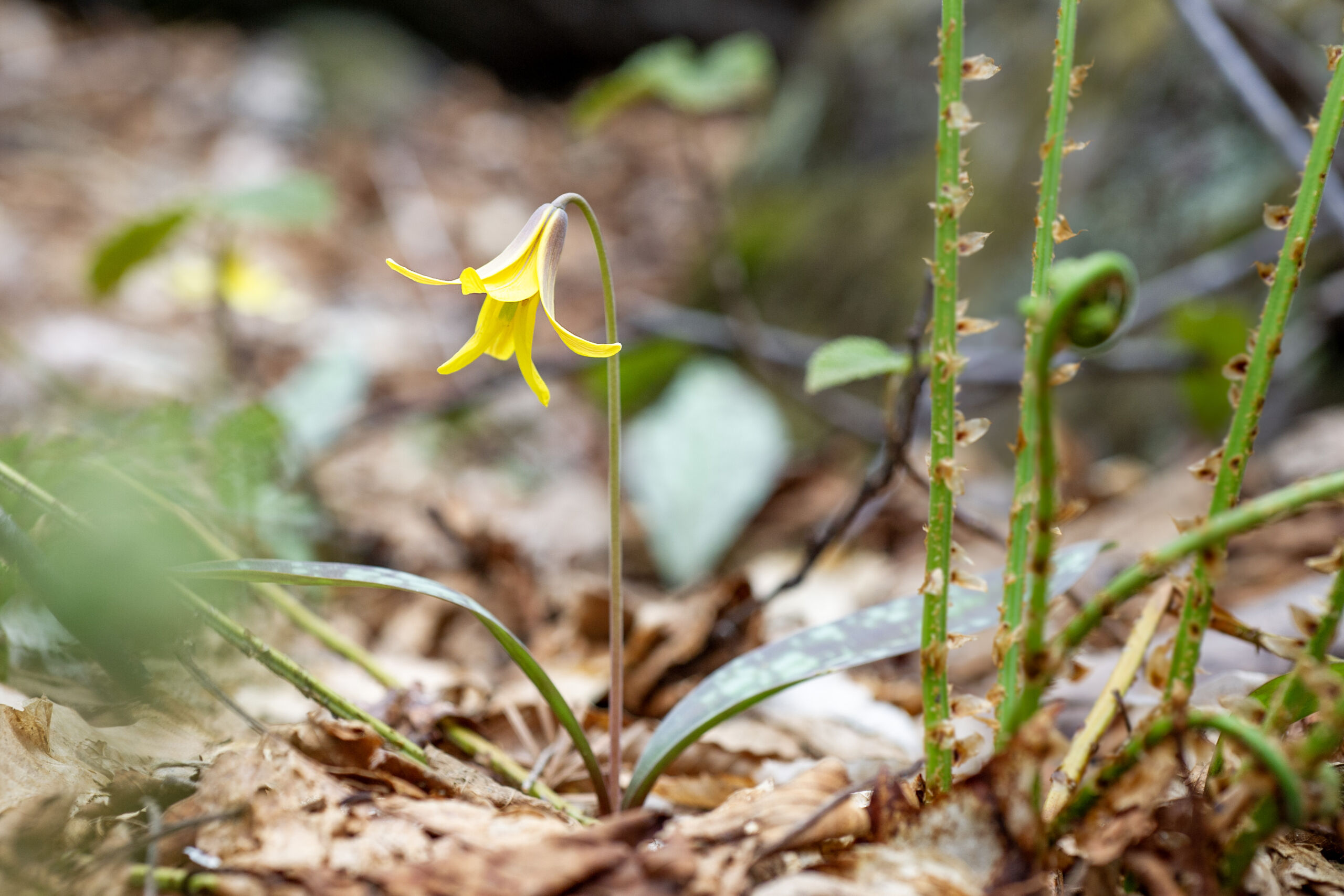
Aiesha Parmar, Ecology Assistant – Scientists in Parks with the Appalachian Mountain Club, will present a project studying plant phenology along the Appalachian Trail corridor.
Since 2004, AMC has been tracking flowering and fruiting times of plants across Appalachia, with help from hikers and naturalists. AMC administers multiple iNaturalist projects as part of our efforts, notably the Flowers and Fauna along the Appalachian Trail Corridor. The observations on these projects help AMC researchers study how climate change is affecting seasonal patterns in plants along one of the largest expanses of minimally disturbed temperate deciduous forest– the Appalachian Trail corridor.
Photo credit: Madelyn Wood
Location: Pennsylvania Horticultural Society McLean Library, 100 North 20th Street, Philadelphia
Past, Present, and Future of Aquatic Plants at Bartram’s Garden
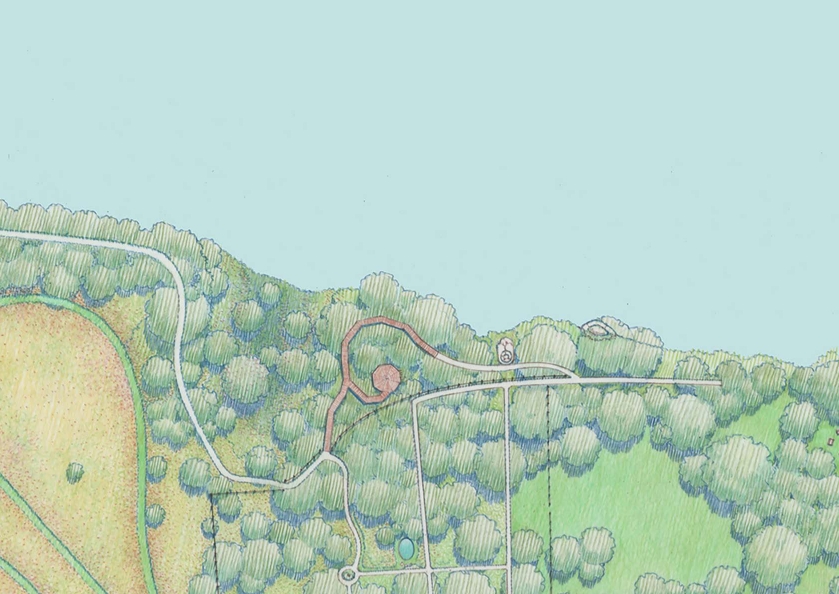
Mandy Katz, Director of Horticulture & Lead Gardener at Bartram’s Garden, will speak to the club on the past, present, and future of aquatic plants at Bartram’s Garden with stories from the prehistoric, colonial, and postindustrial eras. This talk will reflect on some of the famous Bartram family’s experiments with growing and studying aquatic plants, several of Mandy’s experiments with the same plants at Bartram’s, and Bartram’s Garden’s current vision for gardening with native aquatic plants in the near future, including how we see this as an integral tool for strengthening social networks.
Image credit: Bartram’s Garden
Location: Pennsylvania Horticultural Society McLean Library, 100 North 20th Street, Philadelphia
Urban Plants Flower Differently: a Case Study Using Orange Jewelweed
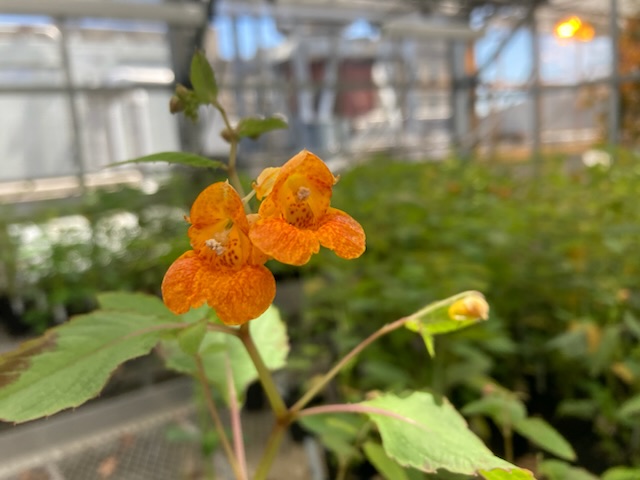
Dr. Aiden Stanley will present his work on how urbanization alters the phenology, mating system allocation, and life history of orange jewelweed (Impatiens capensis), based on data in the recently-published paper available at https://doi.org/10.1002/ece3.71583. Dr. Stanley is a plant ecologist focused on human-driven disturbance. His research explores the impact of such disturbance on interactions between plants and communities of animals such as pollinators and seed dispersers. He earned his doctorate at the University of Pittsburgh and currently conducts research in Rutgers University’s Aronson Lab for Urban Ecological Studies.
This meeting will be online only.
The hidden heroes of herbaria: the collector practices that enable large-scale floristic research in the Northeast
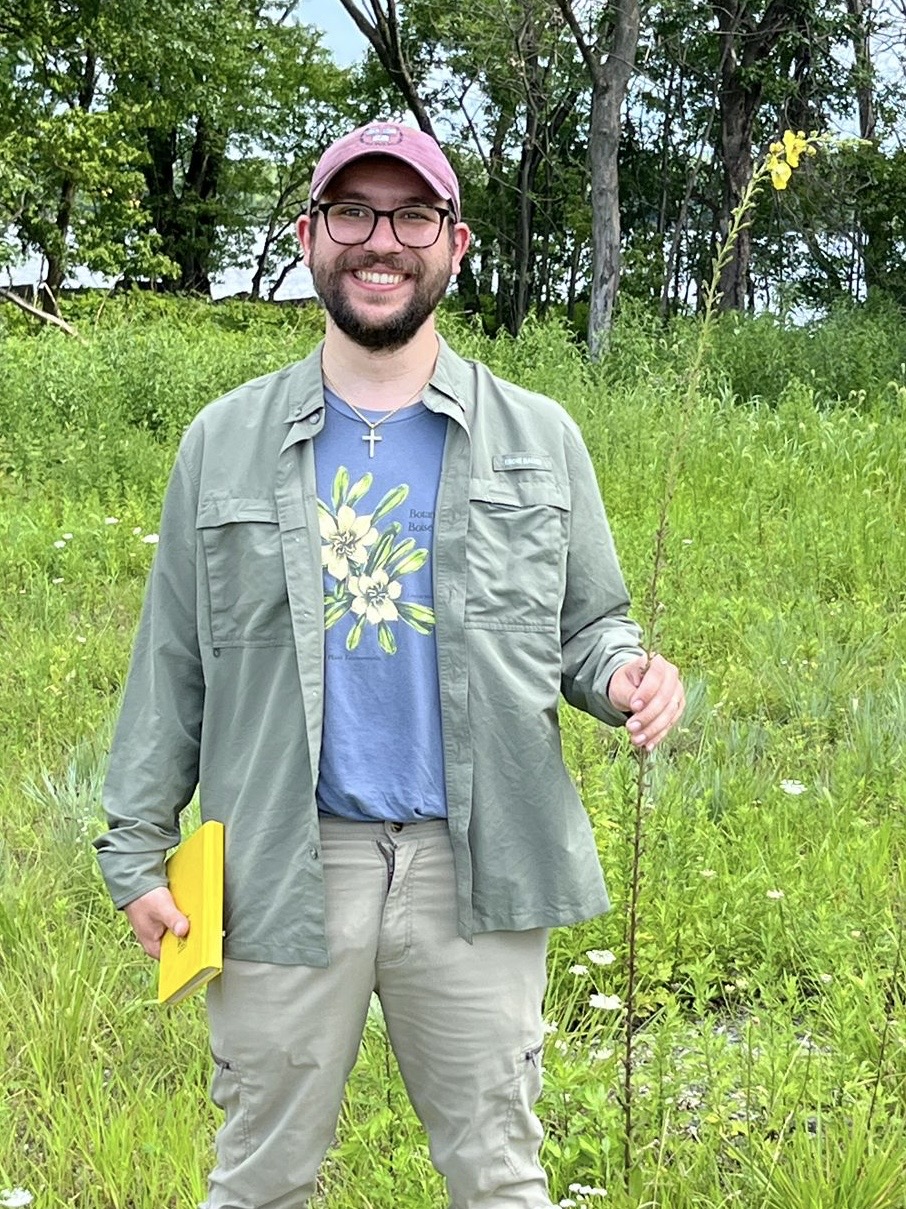
Ryan J. Schmidt-Knapik, PhD candidate in Organismic & Evolutionary Biology at Harvard University, will present his research on how collector practices shape herbaria in the Northeast region.
Photo: Ryan and Verbascum maurum on Pettys Island
American Ginseng: A Valuable and Vulnerable Forest Plant
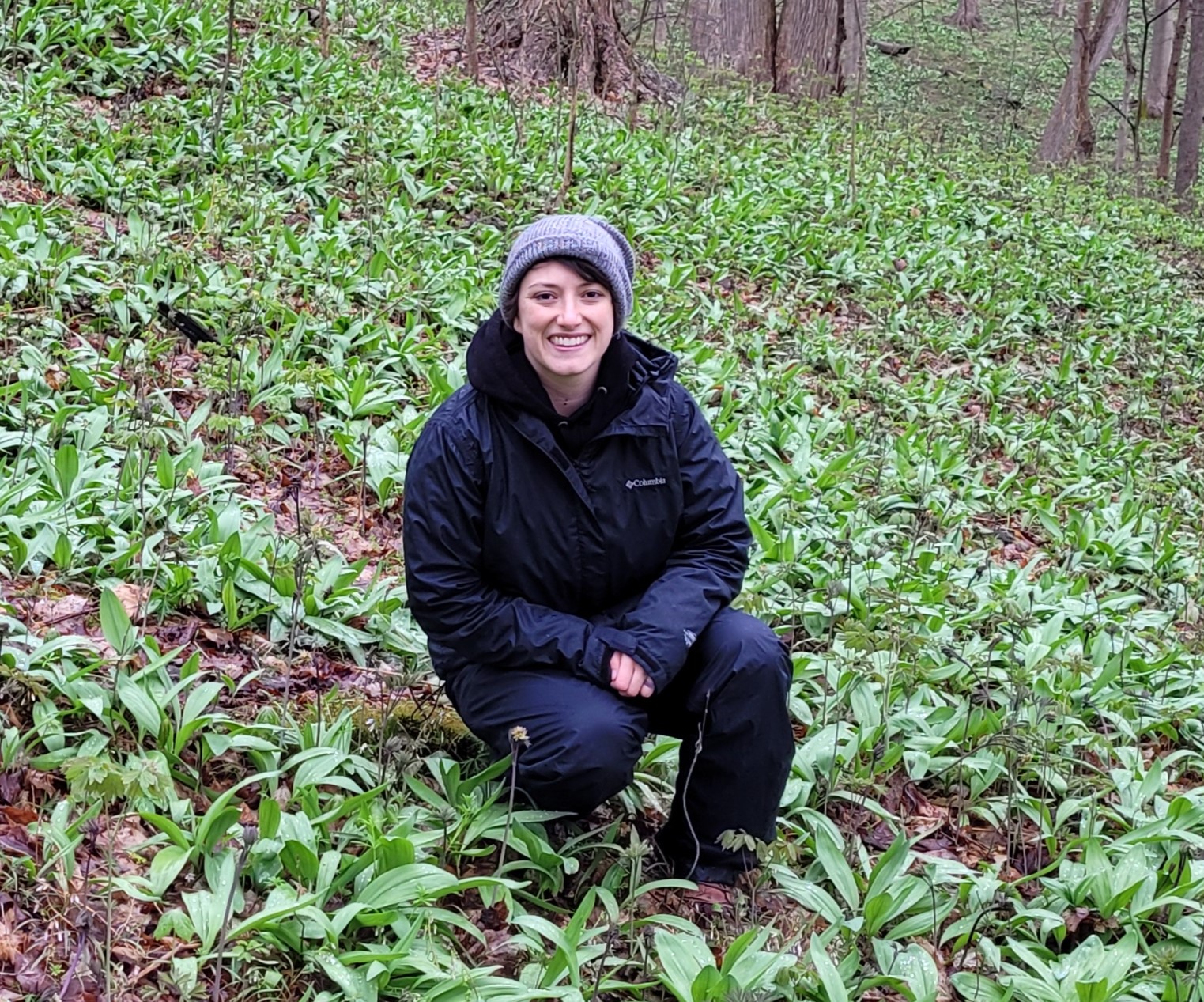
Cathryn Pugh is a Penn State extension educator based at the Penn State extension in Centre County. She will present on American ginseng (Panax quinquefolius), one of the three plant species classified at vulnerable under the Pennsylvania Code, Title 17, Chapter 45. Cat is also president of the Pennsylvania Native Plant Society.
Photo: Cat Pugh amid ramps (Allium tricoccum)
Location: Pennsylvania Horticultural Society McLean Library, 100 North 20th Street, Philadelphia